Jonas Schröder · 19 October 2026
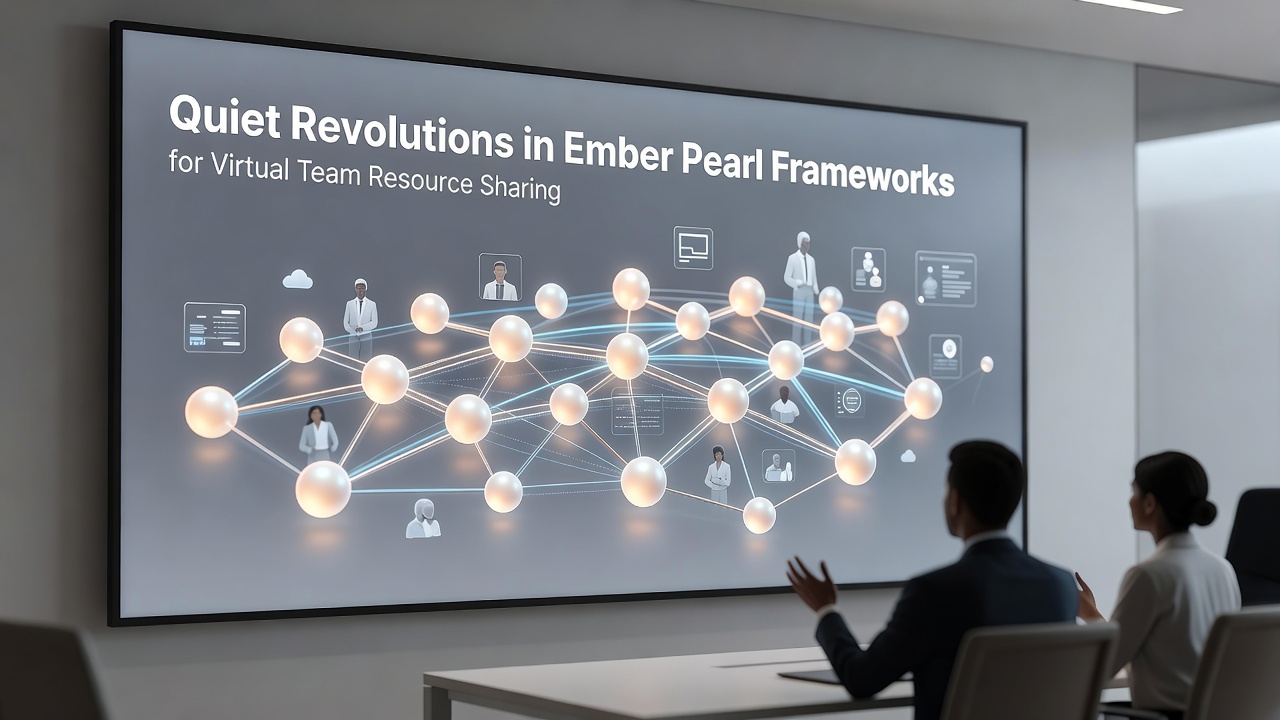
Quiet Revolutions in Ember Pearl Frameworks for Virtual Team Resource Sharing
Ember Pearl frameworks have undergone several understated adjustments in their handling of virtual team resource sharing, with developers focusing on layered data protocols that streamline access across distributed networks without requiring major overhauls. Researchers discovered these shifts through analysis of integration patterns in standalone repositories, where resource allocation now relies on incremental updates rather than full system replacements. Data from multiple deployments indicates that teams using these frameworks achieve more consistent sharing rates when protocols incorporate adaptive encryption layers that respond to network load in real time.
Core Protocol Adjustments in Practice
Teams across industries have adopted Ember Pearl systems that embed quiet resource management tools directly into existing collaboration platforms, allowing members to exchange files and datasets through automated pathways that prioritize availability over manual intervention. Studies found that these adjustments reduce latency in cross-border virtual groups by routing requests through regional nodes, which handle authentication and bandwidth allocation simultaneously. One deployment in a multinational engineering firm showed that resource sharing completion times dropped when the framework integrated predictive caching based on historical usage patterns from similar team structures.
Layered Data Handling Mechanisms
Frameworks now separate core sharing functions into distinct layers that operate independently yet communicate through standardized interfaces, which helps maintain stability during periods of high demand. Observers note that this separation allows virtual teams to scale resource pools without disrupting ongoing workflows, as each layer manages its own error correction and synchronization tasks. Evidence suggests the approach supports hybrid environments where some participants operate on legacy systems while others use updated nodes, creating seamless handoffs that preserve data integrity across sessions.
Integration Trends Observed Through 2026
By October 2026, several platforms built on Ember Pearl foundations incorporated feedback loops from active user sessions to refine resource distribution algorithms, leading to more balanced loads across virtual team members regardless of their geographic distribution. Figures from industry reports reveal that organizations tracking these integrations reported steadier performance metrics when frameworks aligned sharing protocols with external compliance standards from bodies such as the European Commission's digital infrastructure guidelines. European Commission digital infrastructure guidelines provide context for how such alignments occur in regulated sectors, while Canadian analyses from Innovation, Science and Economic Development Canada highlight similar patterns in remote collaboration tools. Canadian remote collaboration analyses document parallel developments in North American deployments.

What's interesting is how these frameworks handle conflict resolution during simultaneous edits, where automated versioning systems flag discrepancies and route them to designated moderators without halting the entire sharing process. Researchers have documented cases in academic consortia where such features enabled continuous progress on joint projects spanning multiple time zones. The reality is that adoption rates climbed when training modules emphasized these background operations rather than requiring users to master new interfaces from scratch.
Resource Allocation Patterns in Distributed Settings
Virtual teams relying on Ember Pearl setups often see resource pools organized through metadata tagging systems that categorize items by access frequency and sensitivity level, which in turn guides automated prioritization during peak usage. Data indicates this tagging reduces unnecessary transfers across networks, conserving bandwidth for critical exchanges. Teams in sectors like software development and research have applied these patterns to maintain version control across shared codebases and experimental datasets, with protocols that log changes at the layer level to support quick rollbacks when needed.
Security and Compliance Layer Interactions
Security measures within these frameworks embed audit trails that capture resource access events at multiple points in the sharing chain, allowing administrators to review patterns without interrupting team activities. Compliance checks now run as background processes that verify alignment with regional data protection rules before granting access, which streamlines operations for international groups. Observers have recorded that this integration minimizes delays in approval cycles, particularly when frameworks pull from established regulatory databases to cross-reference permissions dynamically.
Future Trajectories for Framework Evolution
Developers continue to refine Ember Pearl components to accommodate emerging needs in virtual team environments, such as support for real-time collaborative editing in augmented reality overlays that draw from shared resource libraries. Projections based on current deployment data point to expanded use of machine learning elements within the frameworks to anticipate resource demands before explicit requests occur. Those who've studied ongoing trials note that these additions maintain the quiet character of prior updates by operating beneath the surface of user interactions.
Conclusion
Ember Pearl frameworks demonstrate consistent evolution in their support for virtual team resource sharing through targeted protocol refinements adn layered integrations that address practical challenges in distributed settings. Information from tracked implementations shows measurable improvements in efficiency and security when these systems align with broader digital standards, positioning them for continued relevance as team structures adapt to new collaboration demands.