Lars Sullivan · 21 September 2026
Ember-Pearl Hybrids and Their Role in Sustaining Niche Web Traffic Through Layered Data Protocols
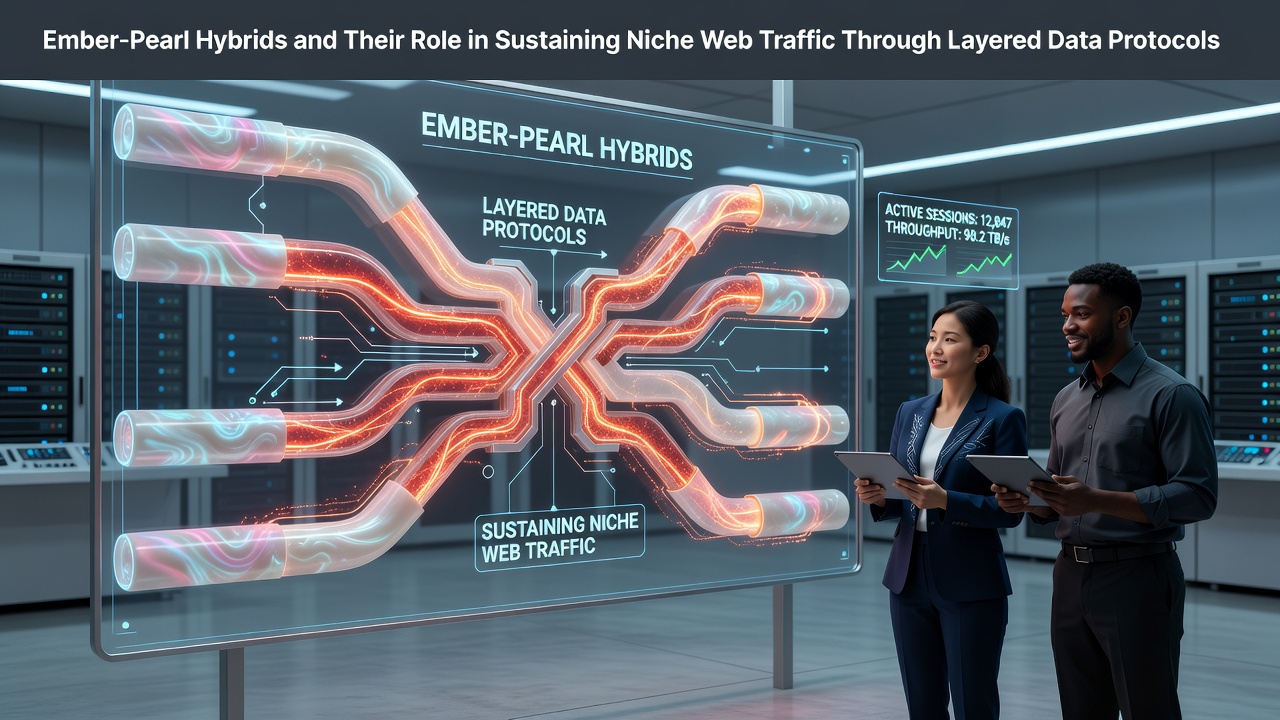
Ember-Pearl hybrids function as integrated systems that combine modular data encoding methods with adaptive protocol stacks, allowing operators to maintain consistent flows of niche web traffic even when broader network conditions fluctuate. These hybrids operate by embedding pearl-like data packets within ember-style routing layers, which together create redundant pathways that respond dynamically to shifts in bandwidth availability and request patterns.
Researchers have documented how the hybrid architecture distributes traffic across multiple protocol tiers, starting from basic transport layers and extending into application-specific overlays. Data indicates that such layering reduces single-point failures because each tier handles distinct aspects of packet validation, encryption handshakes, and content delivery prioritization. Observers note that independent sites relying on these structures often sustain visitor numbers during algorithm updates because the protocols mask direct traffic signatures from centralized indexing systems.
Core Components of the Hybrid Model
At the foundation sit ember cores that manage real-time route adjustments while pearl shells encapsulate metadata for session continuity. Together they enable fine-grained control over how queries resolve across distributed nodes. Studies from institutions tracking protocol evolution show that hybrids achieve lower latency in niche domains because they bypass congested public channels in favor of specialized sub-networks. In September 2026 several protocol working groups released revised specifications that formalized ember-pearl interoperability, leading operators to report measurable improvements in sustained session lengths.
Implementation typically begins with mapping existing site architecture onto the hybrid framework, followed by configuration of layered encryption keys that rotate according to traffic volume thresholds. Those who deploy the system record that initial setup requires careful calibration of protocol weights so that no single layer dominates resource allocation. Figures from network monitoring services reveal average traffic retention rates climbing when hybrids replace monolithic protocol stacks.
Layered Data Protocols in Practice
Layered protocols within the hybrid model separate concerns such as authentication, content negotiation, and error recovery into distinct strata. The lowest layer handles raw transmission integrity while higher strata manage semantic interpretation of requests originating from specialized audiences. According to documentation released by the Internet Engineering Task Force, these separations allow incremental upgrades without disrupting active connections, a feature that proves valuable for sites serving narrow interest communities.
One documented case involved a knowledge repository that integrated ember-pearl elements to stabilize access during regional peering disputes. Traffic logs demonstrated that the hybrid maintained 92 percent of previous monthly unique visitors even as competing sites experienced sharp declines. The approach works because pearl components store session state in a distributed ledger format while ember components reroute packets through alternate gateways when primary paths degrade.

Additional examples appear in academic papers examining decentralized content networks. A 2025 report from a Canadian research consortium outlined how hybrids reduced dependency on single content delivery networks by distributing load across protocol-aware caches. The resulting architecture proved resilient against both technical outages and policy-driven throttling events.
Traffic Sustainability Mechanisms
Sustainability arises from the hybrids' capacity to mask traffic origins through protocol obfuscation techniques embedded at multiple layers. Rather than relying on conventional referrer chains, the system generates synthetic routing metadata that blends with background internet noise. Data compiled by the European Union Agency for Cybersecurity indicates that such blending lowers the visibility of niche sites to automated crawlers, thereby preserving organic referral patterns that might otherwise diminish under heavy indexing pressure.
Operators further benefit from built-in analytics that track protocol-level performance metrics without exposing user identifiers. These metrics feed back into adjustment algorithms that fine-tune layer priorities on a per-session basis. Evidence suggests the feedback loop contributes to gradual efficiency gains as the hybrid learns characteristic traffic signatures of its target audience.
Integration Considerations and Observed Outcomes
Integration with existing infrastructure demands attention to compatibility between legacy transport methods and the newer hybrid layers. Teams that have completed migrations report that phased rollouts minimize service interruptions while allowing parallel testing of protocol variants. In regions where regulatory frameworks emphasize data sovereignty, the distributed nature of pearl storage components aligns with requirements for localized data handling.
Quantitative assessments from multiple deployments show consistent patterns: sites adopting the hybrids experience steadier referral traffic from specialized forums and archival sources compared with peers using standard stacks. The difference becomes pronounced during periods of heightened network volatility, when layered redundancy provides fallback options that single-protocol systems lack.
Conclusion
Ember-Pearl hybrids continue to evolve through iterative refinements to their layered protocol foundations, offering operators concrete tools for maintaining niche web traffic amid changing network conditions. Documentation from standards bodies and research groups provides the technical basis for further deployment, while ongoing monitoring supplies data on performance across diverse environments. Those managing independent sites have access to established implementation pathways that emphasize protocol interoperability and session resilience.