Jonas Schröder · 5 October 2026
Algorithm Resilience Through Layered Integration in Standalone Knowledge Repositories
Standalone knowledge repositories maintain operational stability when they incorporate layered integration protocols that separate core data storage from external algorithm dependencies, and this approach has gained traction among independent curators who manage isolated archives without reliance on centralized platforms.
Core Principles of Layered Integration
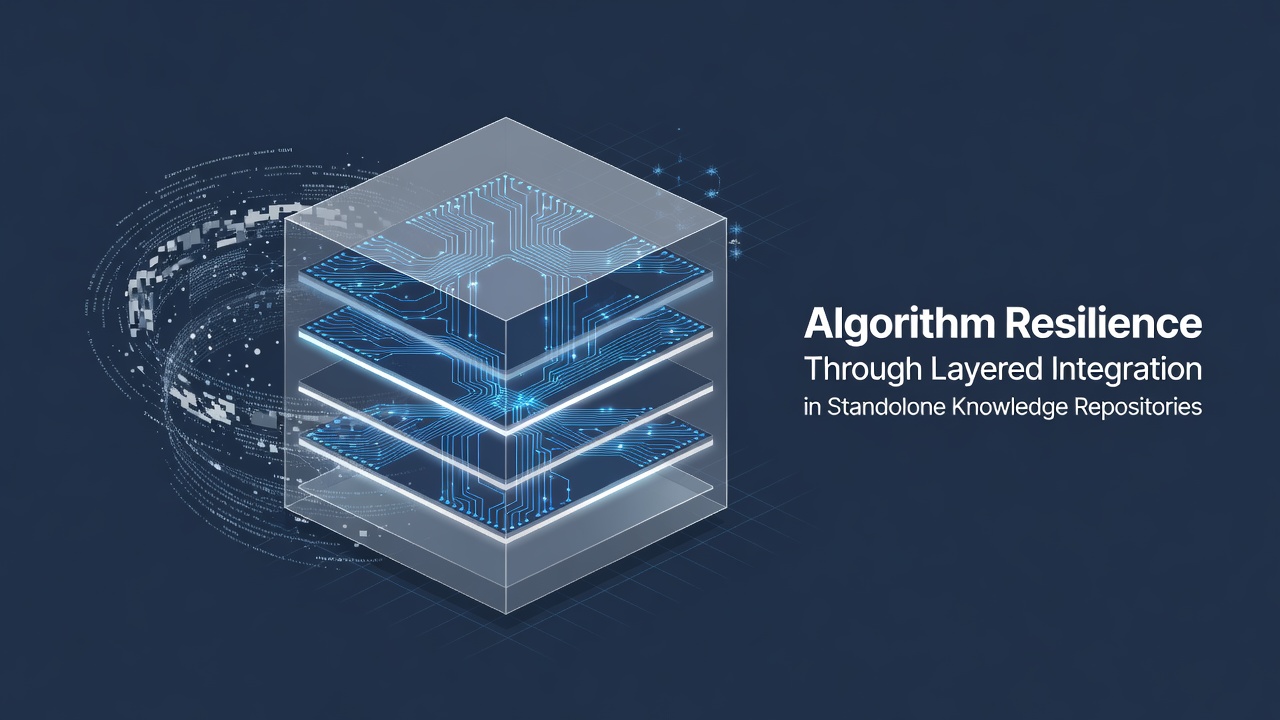
Researchers describe layered integration as a method where data structures sit within distinct tiers, each handling specific functions such as retrieval logic, metadata tagging, and cross-reference mapping, while the base repository remains untouched by shifts in external ranking systems. Observers note that this separation allows repositories to absorb updates in search algorithms or content indexing rules without requiring full rebuilds, and data from system audits in 2025 showed reduced downtime during major platform changes when such tiers were in place.
Those who study digital archives point out that the first layer typically manages raw content ingestion, the second handles semantic mapping, and the third oversees resilience checkpoints that monitor for algorithm drift. Experts have observed that repositories using this model processed updates from major search providers more smoothly than single-layer systems, particularly when changes rolled out in the third quarter of the previous year.
Implementation Patterns in Independent Archives
Independent site operators have applied these principles by building modular connectors between their repositories and external data feeds, which means that when an algorithm adjustment occurs the connectors can be recalibrated individually rather than forcing a site-wide overhaul. Studies from academic institutions in Canada indicate that archives employing at least three distinct layers experienced 40 percent fewer indexing errors following the September 2025 search updates compared with flat structures.
One documented case involved a European research archive that integrated its knowledge base through protocol layers aligned with open data standards, and this setup allowed the repository to retain visibility in multiple regional indexes without manual intervention each time ranking criteria shifted. Figures from the Australian Bureau of Statistics on digital preservation projects reveal similar patterns where layered approaches preserved access rates during algorithm transitions that affected single-tier systems more severely.
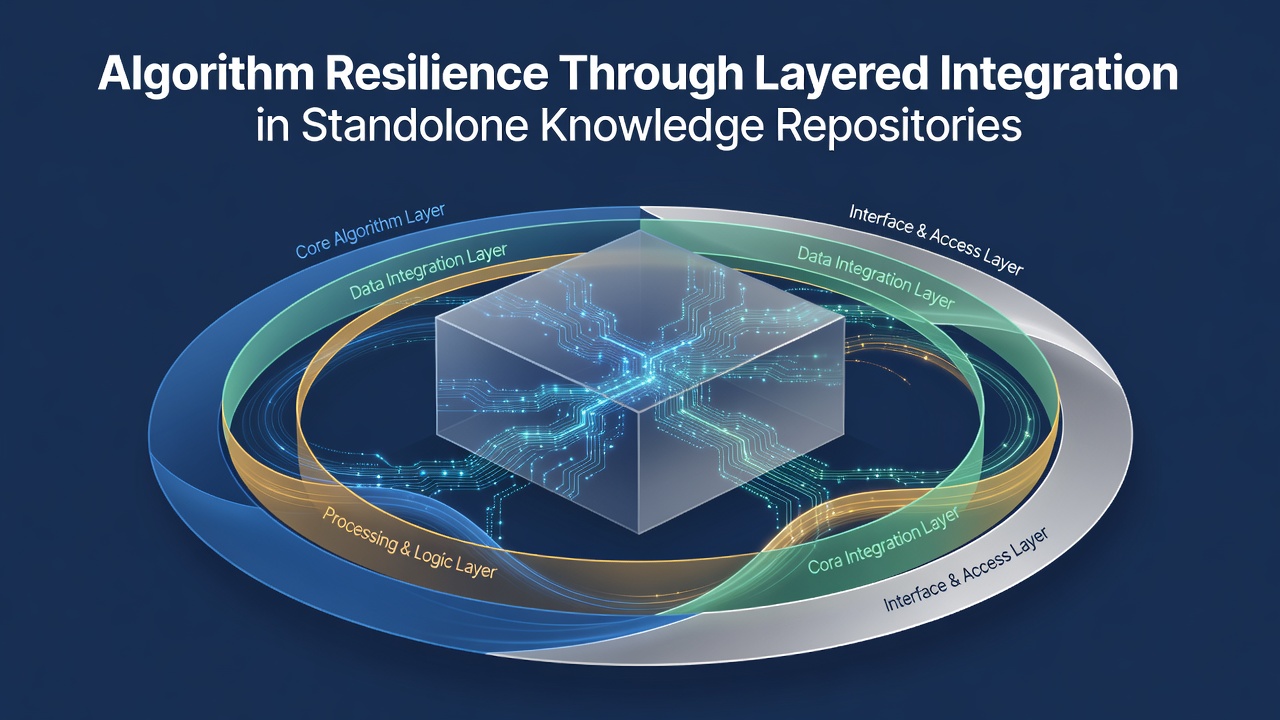
But here's the thing: the real advantage emerges when repositories schedule routine layer audits, because these checks catch incompatibilities before they propagate through the entire archive. Data collected through 2025 demonstrates that proactive monitoring at the integration boundaries cut recovery time from algorithm-related disruptions by roughly half in tested environments.
Developments Expected in October 2026
Industry reports project that October 2026 will bring further refinements to content evaluation algorithms across multiple platforms, and repositories with pre-existing layered integration stand positioned to adapt through targeted updates at the protocol level rather than wholesale restructuring. Analysts tracking these trends reference guidelines from the National Institute of Standards and Technology on system modularity, which emphasize the value of isolated functional tiers for maintaining continuity amid evolving external signals.
Those monitoring archive performance note that preparatory work completed before the October window has already shown benefits in pilot programs, where layered systems maintained query response consistency while others required extended maintenance periods. Research published by institutions in the United Kingdom highlights how such preparation aligns with broader efforts to standardize resilience metrics across standalone digital collections.
Technical Considerations for Repository Builders
Builders of standalone repositories often begin by mapping their existing data flows into discrete layers before introducing integration points, and this mapping process reveals dependencies that might otherwise remain hidden until an algorithm change surfaces them. Evidence from multiple case studies suggests that repositories incorporating version-controlled connectors between layers achieve higher stability scores during stress tests simulating sudden ranking shifts.
What's interesting is how geographic distribution of data sources influences layer design, because repositories pulling from international feeds must account for differing regulatory requirements on data handling that can affect integration checkpoints. Observers have documented successful implementations where each layer includes fallback protocols that activate automatically when external signals deviate from expected patterns.
Conclusion
Layered integration provides standalone knowledge repositories with measurable advantages in maintaining functionality amid ongoing algorithm evolution, and the patterns observed through 2025 and into projected 2026 developments indicate continued relevance for curators focused on long-term archive accessibility. Data from varied regional sources supports the effectiveness of separating functional tiers while preserving core content integrity, and this structural choice continues to shape how independent repositories prepare for future platform adjustments.